1. Square Knot (Reef Knot)
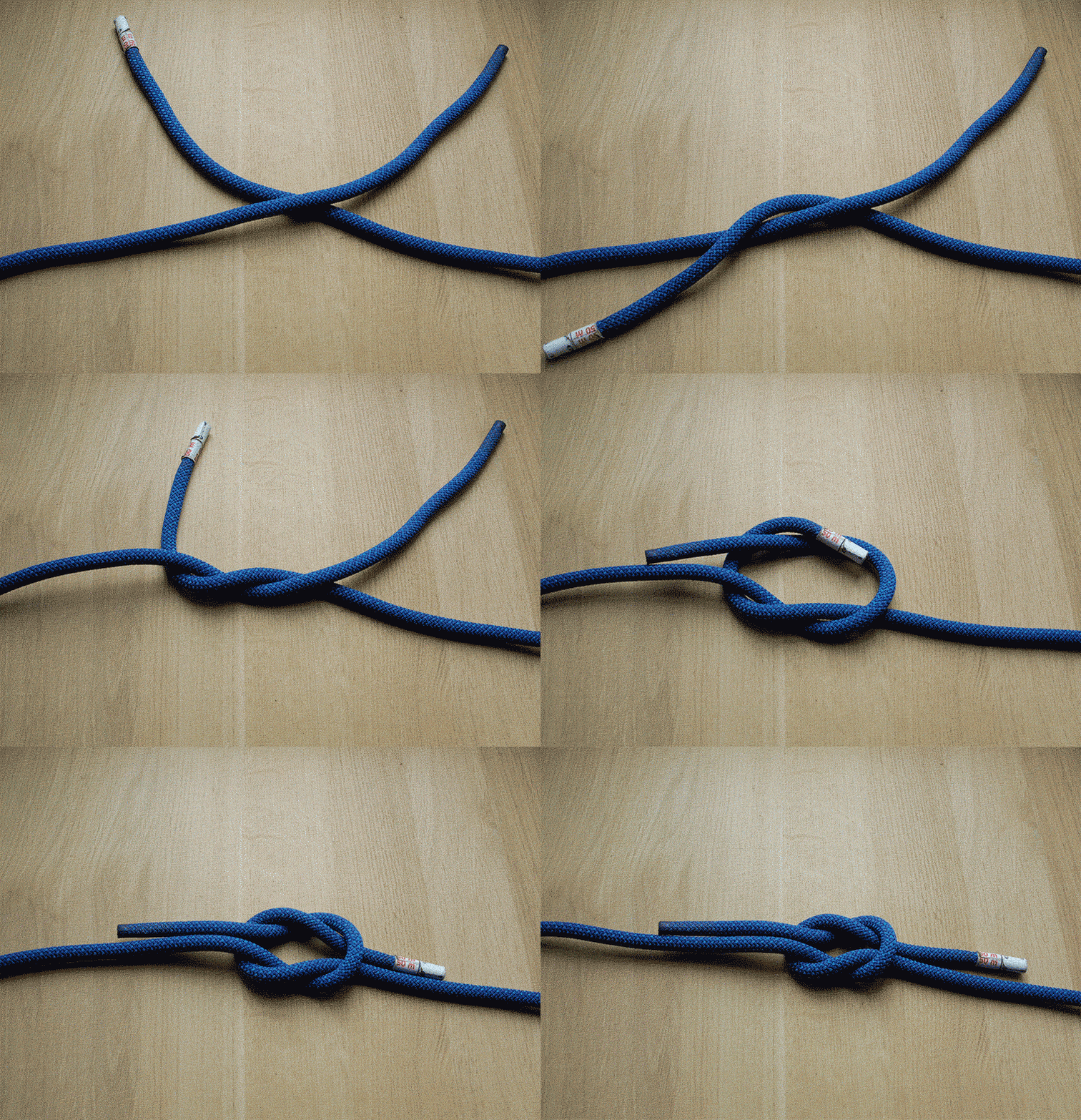
How to Tie: Cross right over left and under, then left over right and under. Pull tight.
Usage: Joining two ropes of equal thickness, first aid bandages, securing items.
2. Bowline
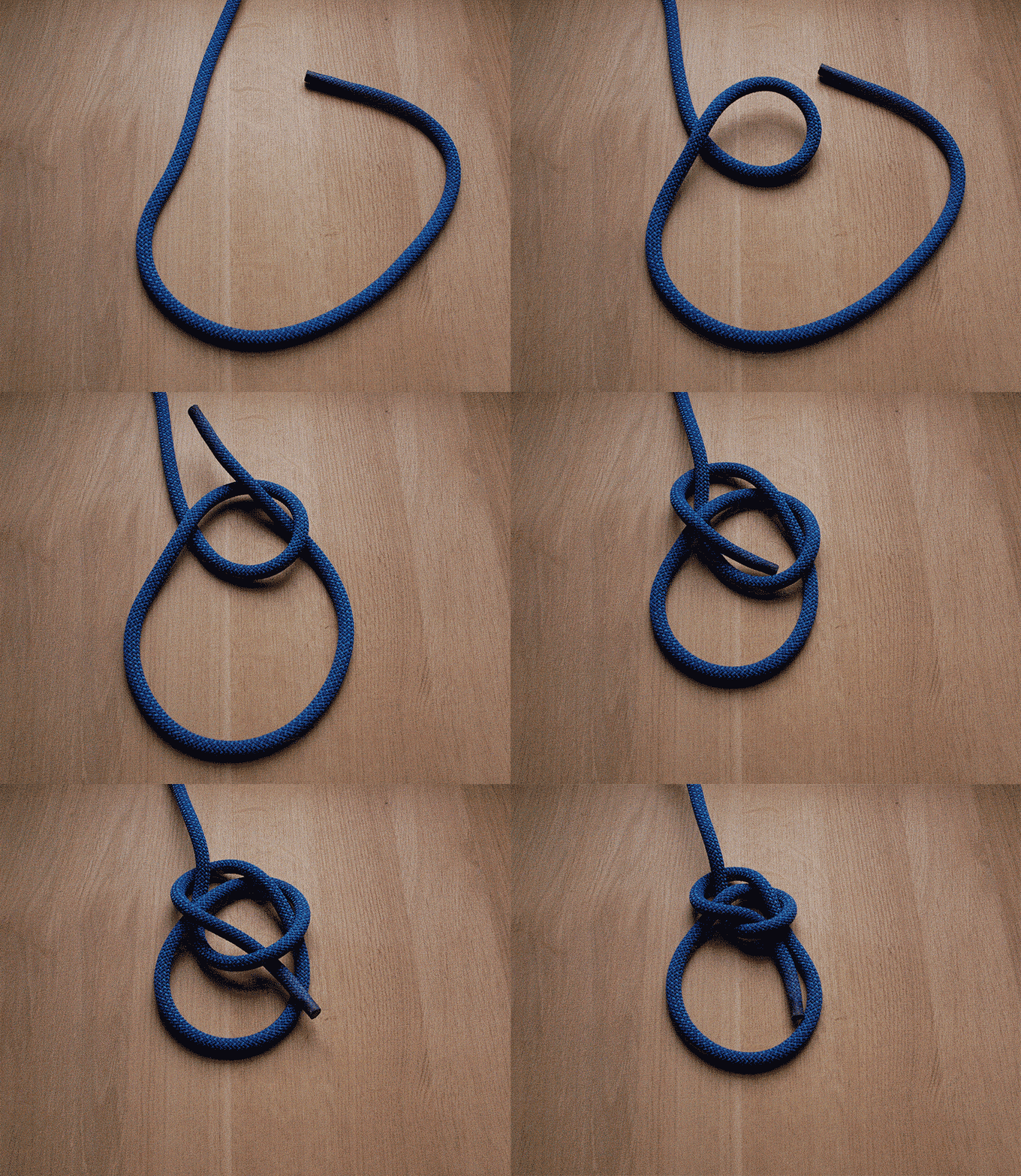
How to Tie: Make a small loop, pass the rope end through, around the standing line, and back through the loop. Pull tight.
Usage: Creates a secure loop that won’t slip; used in rescue and climbing.
3. Clove Hitch
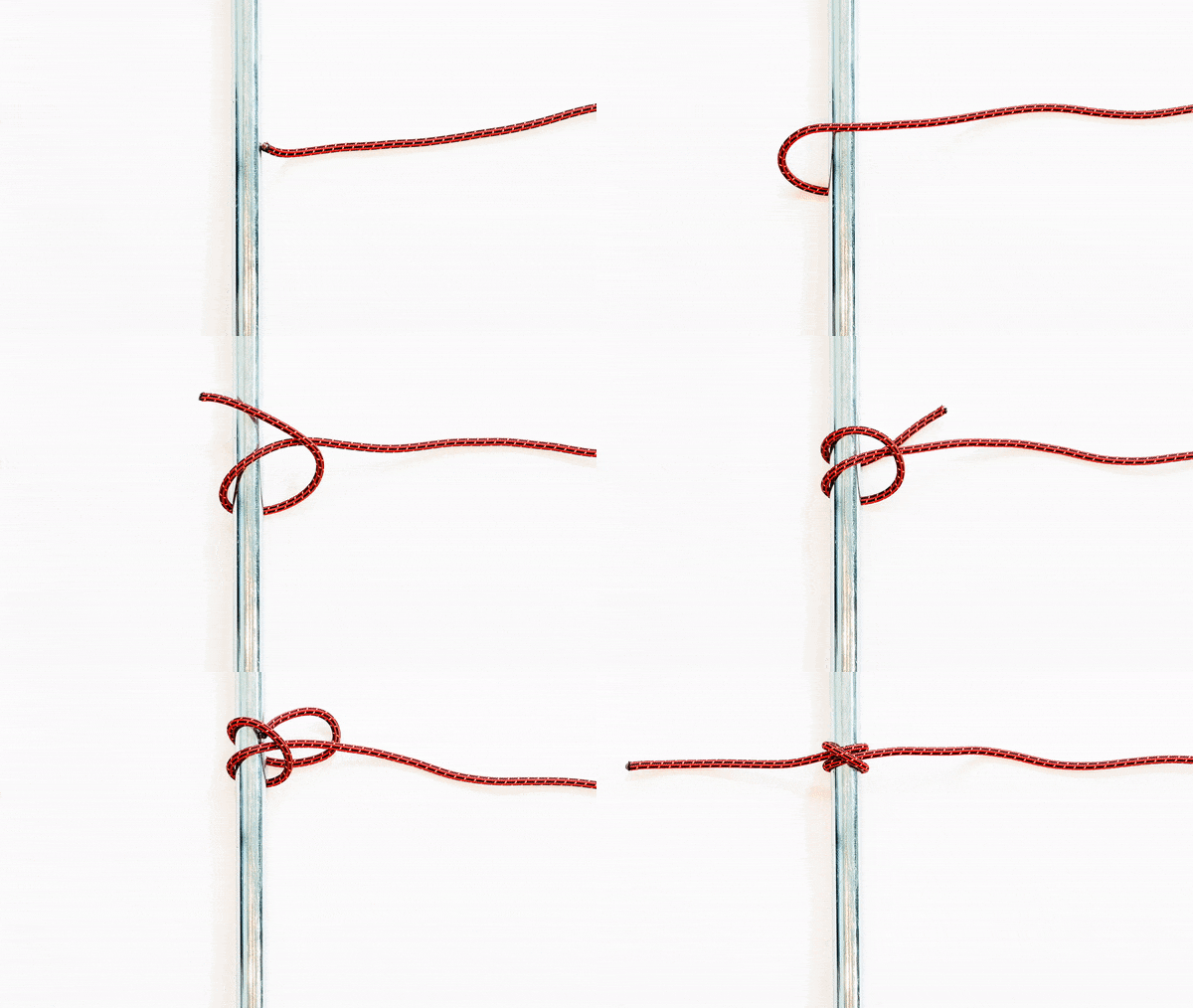
How to Tie: Wrap rope around post, cross over itself, wrap again, tuck end under the crossing. Tighten.
Usage: Attaching rope to a post or tree; temporary lashings.
4. Sheet Bend
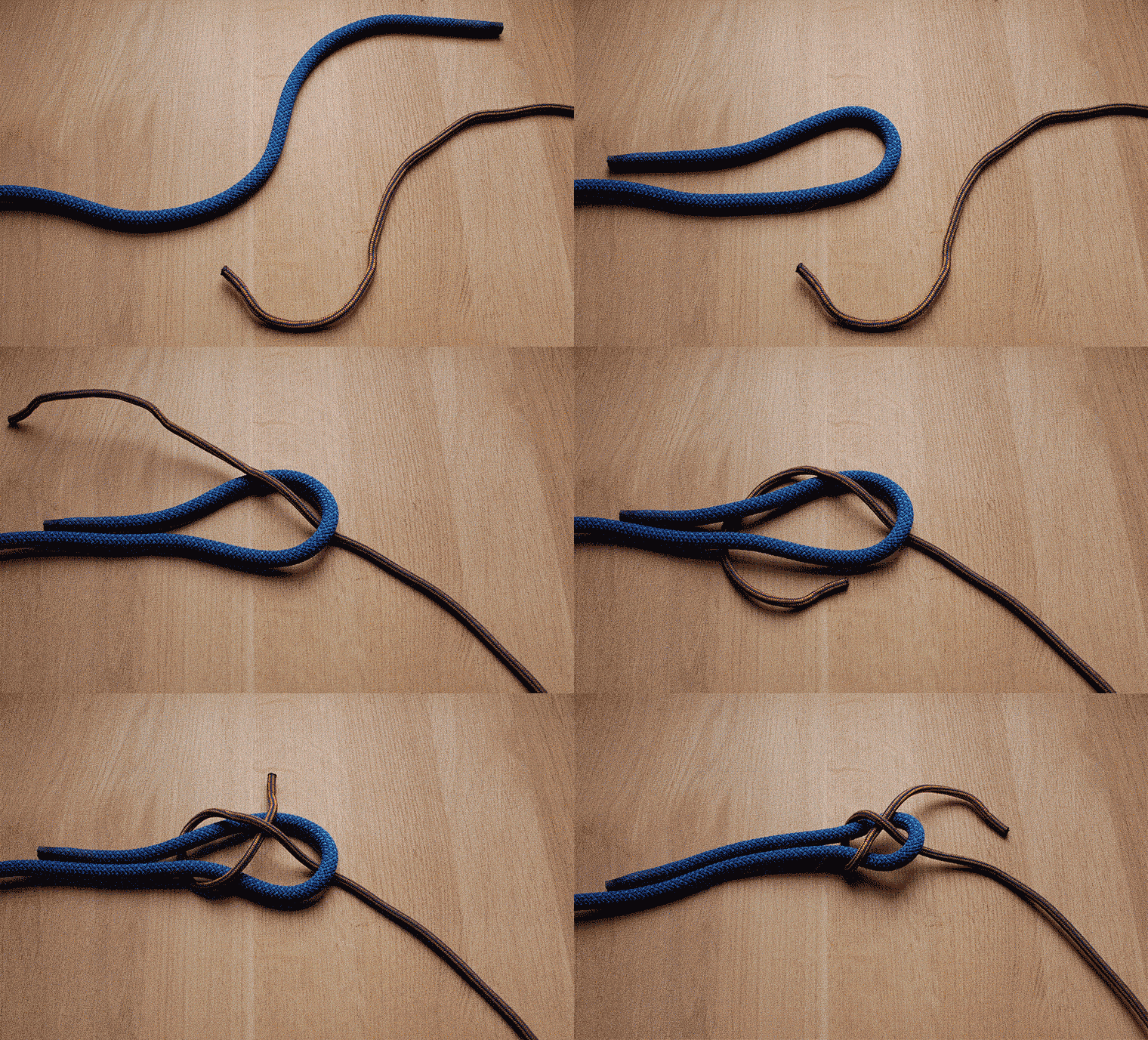
How to Tie: Form a bight in the thicker rope, pass the thin rope through, around the bight, and tuck under itself.
Usage: Joining two ropes of different thickness.
5. Two Half Hitches
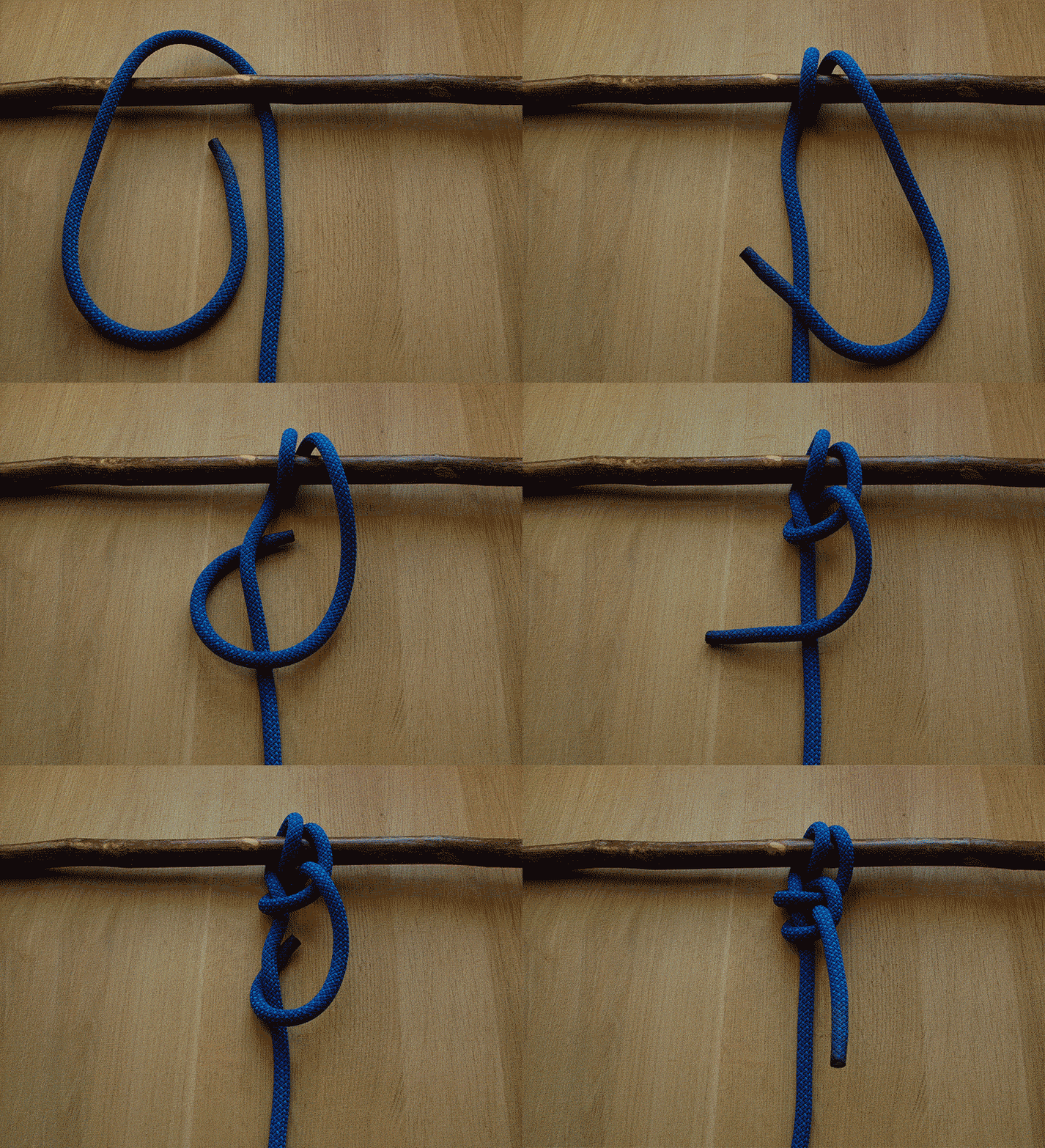
How to Tie: Wrap rope around post, make two loops around standing rope, and tighten.
Usage: Securing rope to a post or ring; camping lines.
6. Figure Eight Knot
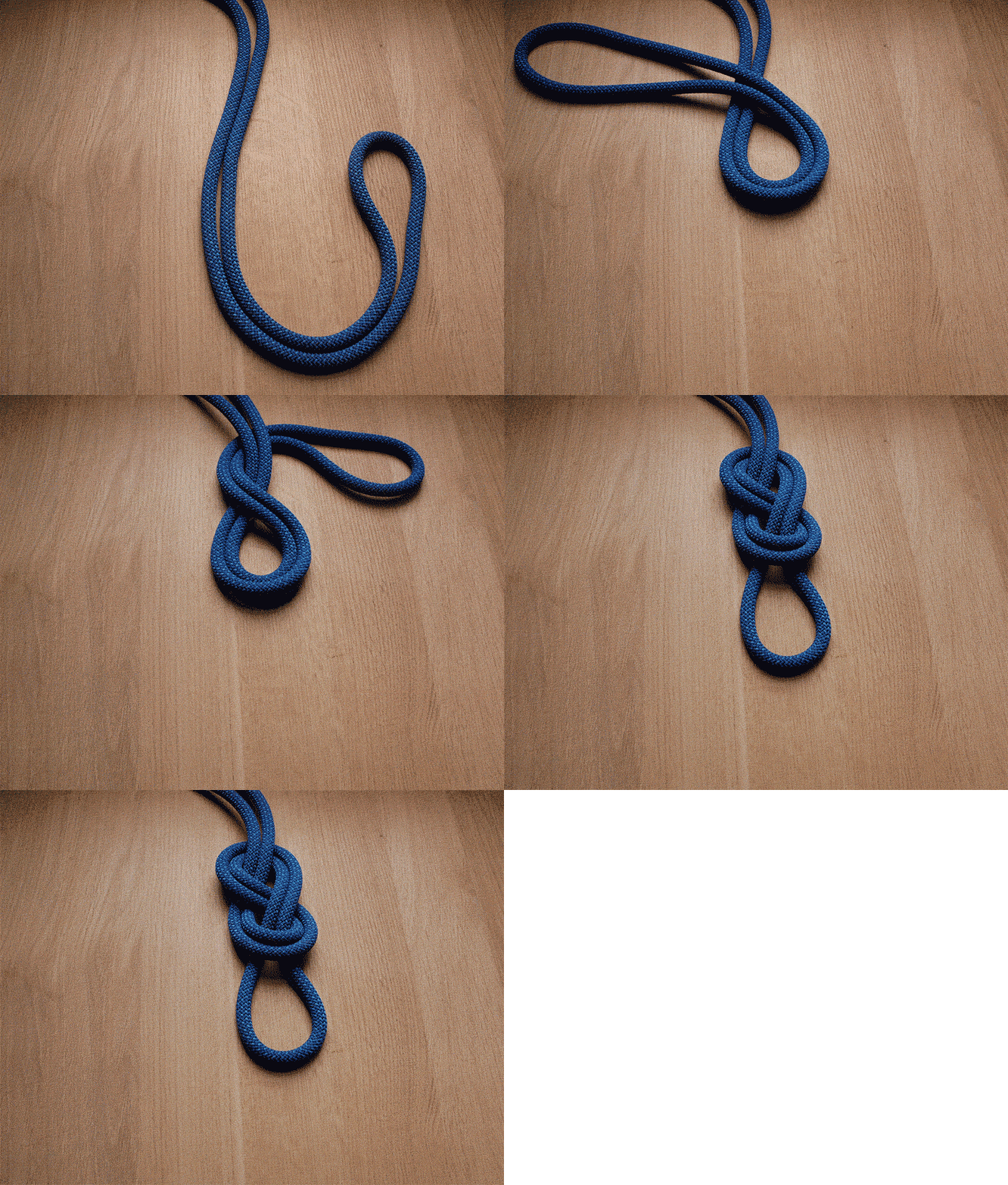
How to Tie: Make a loop, cross the end over, around, and back through the loop to form 8 shape.
Usage: Climbing, stopper knot, rope safety.
7. Taut-Line Hitch
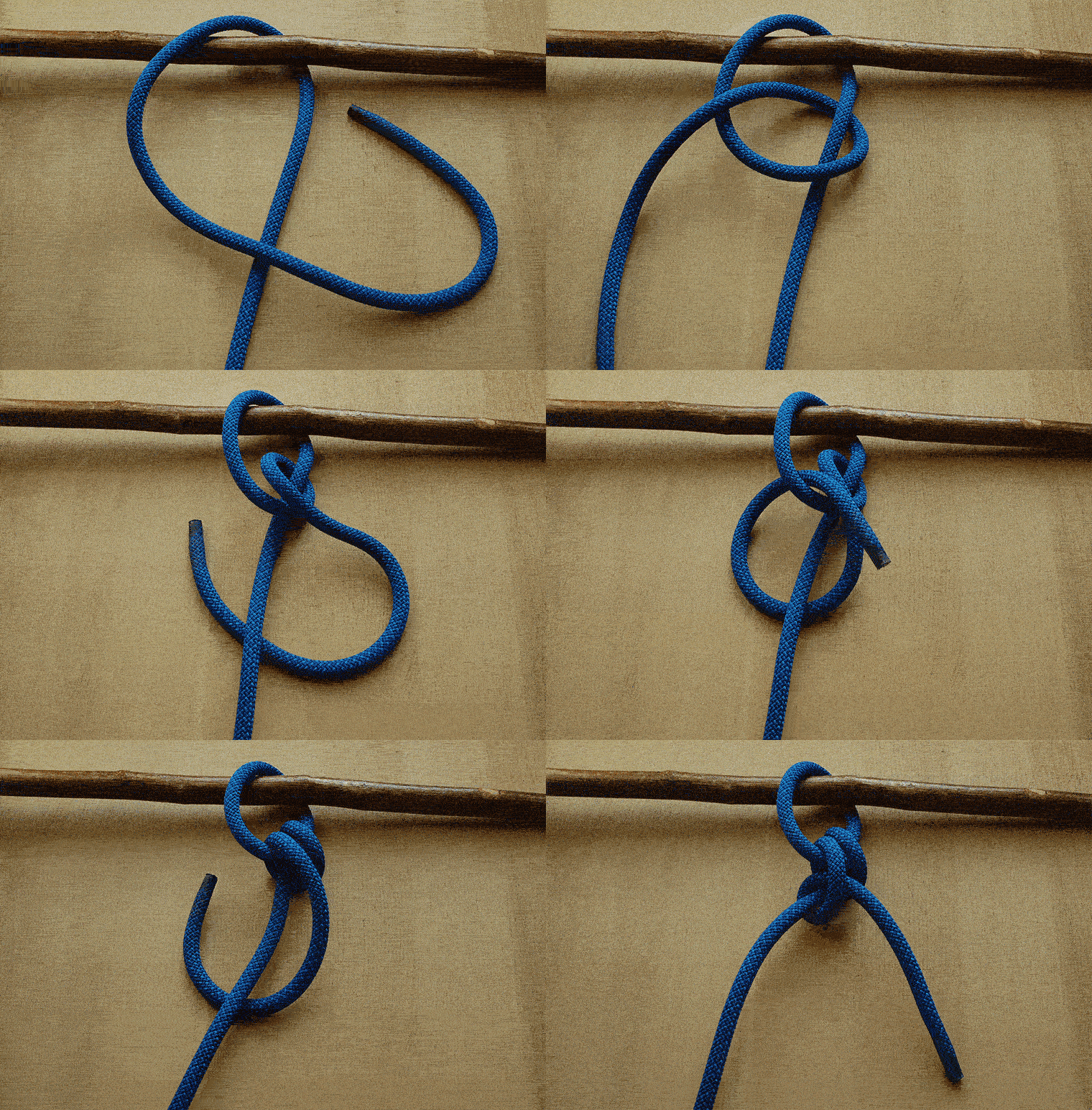
How to Tie: Wrap rope around anchor, make two loops around standing line, tuck end, adjust tension.
Usage: Adjustable rope tension for tents or tarps.
8. Sheet Bend Double

How to Tie: Same as sheet bend but pass the thin rope around the bight twice for extra strength.
Usage: Joining ropes securely, especially under tension.
9. Water Knot
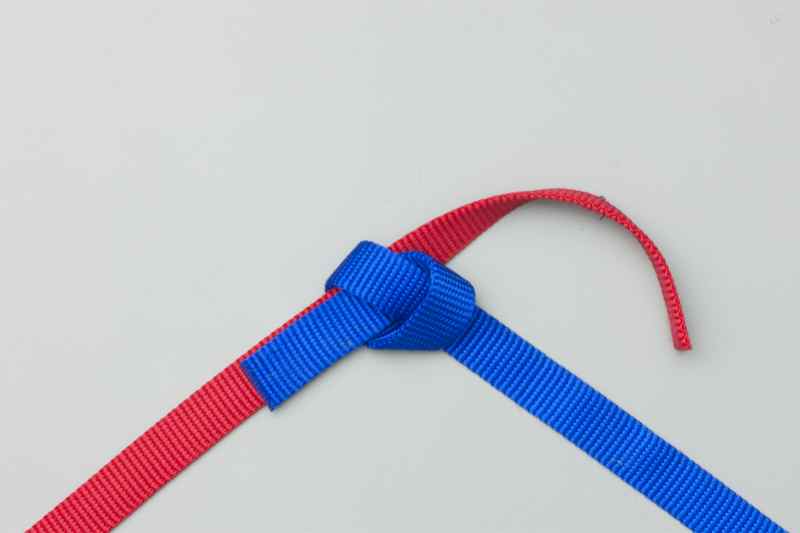
How to Tie: Tie an overhand knot in one rope end, follow the same path with the other end in reverse, tighten.
Usage: Joining webbing or flat ropes; climbing and safety harnesses.